
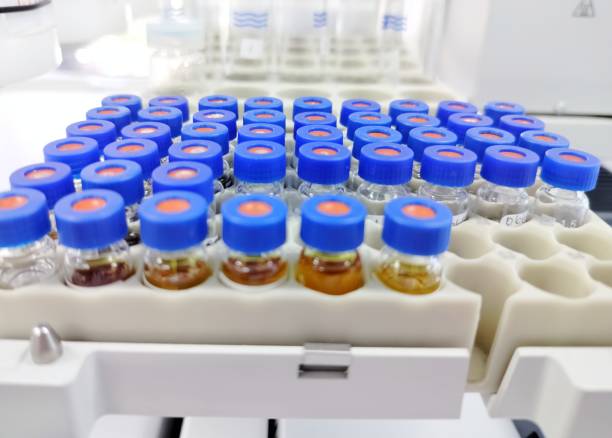
In modern scientific research, precision is everything. Whether scientists are developing new therapies, conducting biochemical studies, or testing molecular interactions, the quality of the materials used can significantly impact results. One factor that often determines the reliability of a study is peptide purity.
This is where hplc verified peptides have gained remarkable attention. Researchers increasingly rely on these peptides because they undergo a rigorous verification process that confirms their purity and consistency. As laboratories seek reproducible outcomes and trustworthy data, verified peptides have become an essential component of high-quality research protocols.
What Makes HPLC Verification So Important?
High-Performance Liquid Chromatography, commonly known as HPLC, is an analytical technique used to separate, identify, and quantify components within a sample. When peptides are verified through HPLC testing, researchers gain confidence that the material matches expected purity standards.
The verification process helps eliminate uncertainties that can arise from contaminants or unwanted byproducts. This level of quality control ensures that experiments are conducted using materials that meet strict specifications.
Some of the key advantages include:
- Greater confidence in experimental accuracy and repeatability.
By reducing variability, researchers can focus on interpreting results rather than questioning the quality of their peptide samples.
HPLC Verified Peptides and Research Reliability
How Do HPLC Verified Peptides Improve Experimental Outcomes?
Research studies often involve sensitive measurements where even minor impurities can influence results. HPLC verified peptides help minimize these risks by providing a clearer understanding of sample composition.
For example, imagine a laboratory studying receptor binding activity. If a peptide contains unknown impurities, the data may suggest inaccurate binding characteristics. However, when a verified peptide is used, researchers can better attribute observed effects to the intended compound.
This improved reliability benefits several research areas, including:
- Drug discovery
- Molecular biology
- Immunology studies
- Protein interaction analysis
- Cellular signaling research
The result is stronger confidence in conclusions and a more efficient research process.
Why Purity Matters Beyond the Laboratory
Peptide purity is not only important for generating accurate data. It also influences the overall efficiency of research projects. Low-quality materials can lead to repeated experiments, wasted resources, and delayed timelines.
When laboratories invest in verified peptides, they often experience fewer setbacks and improved consistency between experiments. This consistency becomes especially valuable in collaborative projects where multiple teams must reproduce similar findings.
For instance, a university research group and a pharmaceutical company working on the same peptide target can achieve more comparable results when both use highly purified and verified materials.
Example: The Difference Verification Can Make
Consider a research team investigating a peptide involved in metabolic regulation. Initial tests using a non-verified sample produced inconsistent responses across multiple trials.
After switching to an HPLC-verified version of the same peptide, the researchers observed:
- More consistent biological activity
- Reduced experimental variation
- Improved data interpretation
- Faster validation of results
This example highlights how verification can directly contribute to research efficiency and confidence.
Pro Tip for Selecting Quality Peptides
Choosing HPLC Verified Peptides from Trusted Sources
Not all peptide suppliers follow identical quality standards. Before purchasing, review the available documentation and analytical reports carefully.
Pro Tip: Always request the HPLC chromatogram and certificate of analysis whenever possible. These documents provide valuable insight into peptide purity and help verify that the product meets your research requirements.
Additionally, evaluate supplier transparency, manufacturing practices, and testing procedures before making a selection.
The Future of Peptide Research
As scientific investigations become increasingly sophisticated, the demand for highly characterized materials will continue to grow. Researchers are placing greater emphasis on quality assurance, reproducibility, and transparent validation processes.
HPLC verification aligns perfectly with these goals by offering measurable evidence of peptide quality. As a result, verified peptides are expected to remain a preferred choice for laboratories seeking dependable and reproducible outcomes.
Conclusion
The growing popularity of hplc verified peptides reflects a broader commitment to research excellence. By confirming peptide purity through advanced analytical testing, scientists gain greater confidence in their experimental materials and results.
From improving reproducibility to reducing costly errors, verified peptides provide significant advantages across a wide range of scientific disciplines. As research standards continue to evolve, selecting high-quality, HPLC-verified materials remains one of the smartest decisions researchers can make when striving for accurate and meaningful discoveries.
