

If you’re living with dizziness, you know how it can impact everything from work to leisure activities. Fortunately, vestibular therapy can help you regain stability and improve your quality of life. This specialized therapy targets the vestibular system, which is crucial for balance and coordination.
What is Vestibular Therapy?
Vestibular therapy is a specialized treatment designed for individuals experiencing vestibular disorders. This therapy focuses on helping patients manage symptoms such as dizziness, vertigo, and balance issues—symptoms often linked to problems in the inner ear.
Understanding the Vestibular System
The vestibular system is located in the inner ear and is responsible for detecting motion and changes in head position. It provides critical information to the brain to maintain balance and spatial orientation. When this system isn’t functioning correctly, it leads to disorientation and can severely limit mobility and confidence. Vestibular therapy focuses on restoring normal function through targeted exercises and treatments.
Key Elements of Vestibular Therapy
Effective vestibular therapy typically involves several crucial components:
Thorough Initial Evaluation
The process starts with a comprehensive assessment by a qualified physical therapist. This evaluation includes balance and mobility tests, along with a detailed review of your symptoms and medical history. Understanding the specific cause of your dizziness helps tailor an appropriate treatment plan.
Personalized Treatment Plan
After the assessment, your therapist will create a customized plan tailored to your specific needs. This plan may include a variety of exercises designed to improve balance and reduce dizziness.
Targeted Exercises
Vestibular therapy exercises can vary widely but often include:
- Balance exercises that challenge your stability
- Gaze stabilization exercises to improve visual focus
- Habituation exercises designed to reduce sensitivity to movements
Manual Therapy Techniques
In some cases, therapists may also use manual therapy techniques to alleviate pain and increase comfort, further enhancing the effectiveness of your treatment.
Who Can Benefit from Vestibular Therapy?
Vestibular therapy is beneficial for a wide variety of patients, particularly those who:
- Experience recurring dizziness or spinning sensations
- Have difficulty maintaining balance in everyday activities
- Show symptoms following a concussion
- Suffer from inner ear disorders affecting stability
If you find yourself facing these issues, consider consulting a vestibular therapist to discuss how this form of therapy might assist you.
The Importance of Vestibular Therapy in Concussion Recovery
Concussions can significantly impact the vestibular system, leading to symptoms like dizziness, headaches, and balance difficulties. Vestibular therapy is a vital component in the recovery process, focusing on restoring balance and alleviating these symptoms.
Holistic Recovery Approach
At Performance Physical therapy for dizziness, our approach combines vestibular rehabilitation with visual and cognitive exercises. This comprehensive method not only addresses physical symptoms but also aids in cognitive recovery, offering a thorough healing process.
Why Choose Performance Physical Therapy for Your Vestibular Needs?
When considering vestibular therapy, it’s essential to select a provider that understands your specific challenges. Here’s what makes Performance Physical Therapy a top choice:
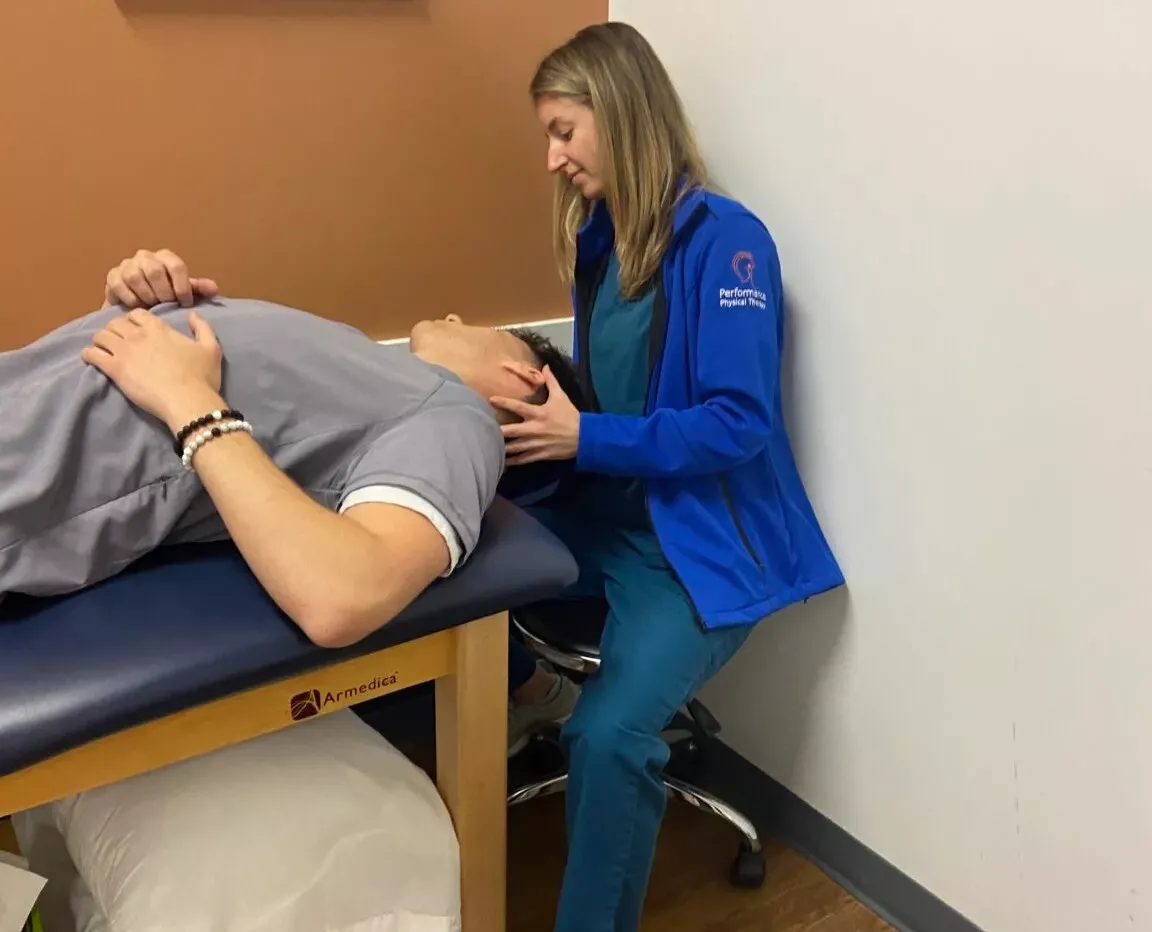
Dedicated Team of Specialists
Our team is experienced in vestibular rehabilitation, providing you with skilled professionals who understand the complexities of vestibular conditions.
Customized Treatment Plans
Recognizing that each individual’s experience is unique, we create personalized treatment options that address your specific needs and goals.
Use of Advanced Techniques
At Performance Physical Therapy, we leverage the latest advancements in vestibular therapy to ensure you receive the highest quality of care. We are committed to ongoing education to provide the best solutions for our patients.
Conclusion
Don’t let dizziness dictate your life. If you’re struggling with balance or vestibular disorders, consider pursuing vestibular therapy. With personalized treatment designed to meet your unique needs, you can regain your stability and return to the activities that enrich your life.
Q1. How long does vestibular therapy for dizziness take to show results?
Most people begin to notice improvement within 2 to 4 weeks of starting vestibular therapy for dizziness. The exact timeline depends on the underlying condition, symptom severity, and consistency with prescribed exercises.
Q2. Is vestibular therapy effective for chronic dizziness and vertigo?
Yes, vestibular therapy is highly effective for chronic dizziness and vertigo, including conditions like BPPV, vestibular neuritis, and post-concussion dizziness. It helps the brain adapt and compensate for balance system dysfunction.
Q3. Do I need a referral to start vestibular therapy?
In many cases, you can begin vestibular therapy without a referral, depending on local healthcare regulations. However, consulting a physician or vestibular specialist is recommended to ensure an accurate diagnosis and tailored treatment plan.
