
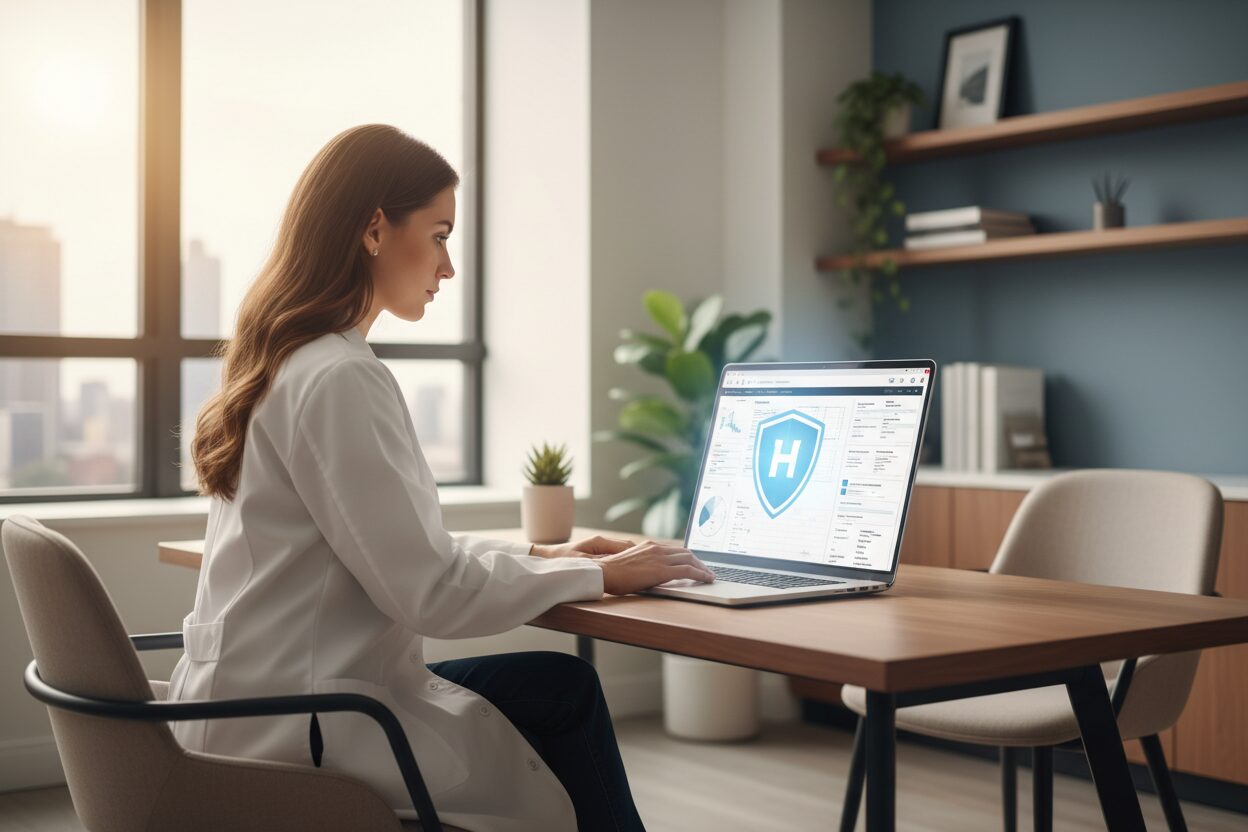
Managing clinical documentation manually takes up a lot of each healthcare provider’s day. Extra hours spent finishing charts following patient visits cause major cognitive fatigue and lower general job satisfaction. Using specialist digital solutions enables clinical teams to easily keep full patient records and so protect provider well-being.
Using advanced artificial intelligence AI medical transcription software helps medical workers quickly convert natural patient interactions into structured clinical notes. This technology works effortlessly with Electronic Medical Record systems. Removing common administrative obstacles helps care teams better coordinate, reduce charting stress, and generally increase operational efficiency across medical environments.
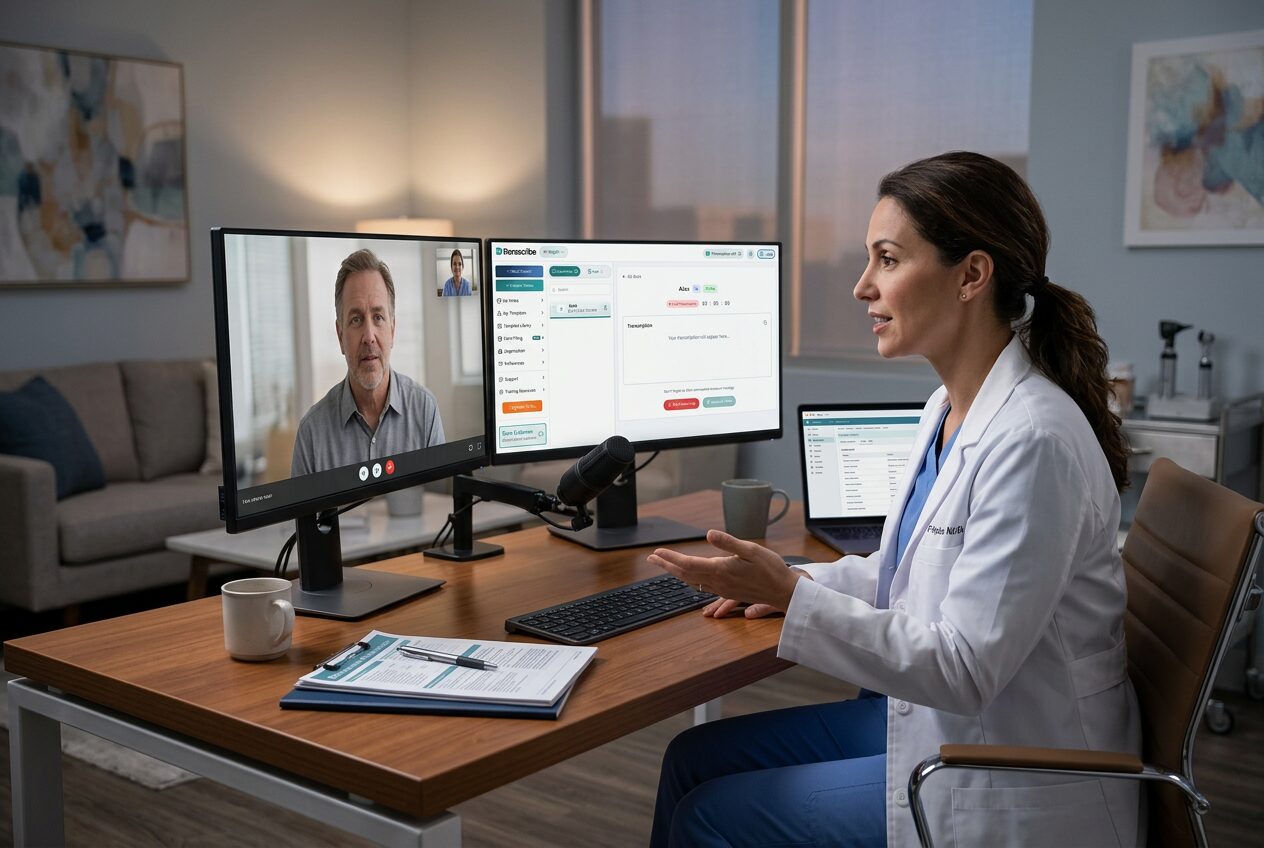
Changing Patient Interactions with AI Dictation Software: Medical Uses
Strict paperwork needs for contemporary medical institutions sometimes impede the speed at which treatment can be given. Including an artificial intelligence dictation programme helps doctors produce precise progress notes right after every visit. This operational change helps to keep higher diagnostic accuracy across all official medical records while reducing reliance on manual typing.
Quick record changes sometimes cause formatting mistakes, contradictory language, and lost information in patient records. Automated listening systems swiftly give multidisciplinary healthcare professionals access to trustworthy information by precisely capturing key conversation context. Simplifying current chart upkeep helps to ensure that future therapy decisions rely on complete, consistent, and immediately available medical histories.
Important Operations of Modern Ambient Audio Processing Systems
By automatically analyzing doctor-patient interactions, ambient listening systems help to remove the friction related to human dictation procedures. Smart transcription systems automatically arrange key medical information into organized note formats and filter out extraneous conversation. Without staring at monitor displays, doctors keep direct eye contact and a closer relationship with their patients.
Immediate generation of thorough clinical notes follows appointments, thereby capturing minute diagnostic details elegantly. Automated processing precisely captures complex medical language, unique medicine doses, and customized treatment plans. Getting rid of computer distractions during appointments helps patients to trust you more, which finally enhances long-term healthcare involvement and treatment outcomes.
Customizing Automated Documentation Across Various Medical Fields
Many medical fields depend on certain reporting techniques, customized clinical measures, and specialized documentation structures. While specialists need unique forms based on sophisticated diagnostic data, primary care doctors typically require basic SOAP notes. These special structural needs are easily handled by flexible transcription systems in many different healthcare settings.
Every client meeting automatically generates well-organized SOAP notes and unambiguous follow-up recommendations from general medicine teams. With great accuracy, specialist clinical units record complex diagnostic data and customized recovery programs. To maintain fluid clinical processes during busy operating hours, urgent care practitioners quickly handle a great number of patients.
Flexible note templates help medical records to meet strict institutional criteria and eliminate formatting mistakes. Smart transcription systems fit easily into current clinical procedures and provide custom outputs that meet specific practice needs. Standardized report creation guarantees every file keeps clean, is ready for audit, and is simple to interpret quickly by consulting colleagues.
Integrating Systems for Unified Care Team Collaboration
Direct integration of transcription software with Electronic Medical Record software gets rid of repeated copy-pasting across several administrative systems. Direct data transfer updates patient charts automatically, cutting administrative work for busy clinical staff members. Seamless system integration enables medical institutions to maximise everyday documentation practices without jeopardising record security or correctness.
Practitioners may now leave when the clinic doors shut and finish their paperwork another time. Regularly updated files help medical businesses to pass outside audits, simplify billing processes, and promote continuous patient care. Health records that are current and transparent help every member of the clinical staff to always be completely aware of patient development and treatment plans.
Complex medical settings depend on quick coordination between main doctors, consulting experts, and nursing staff members. Delayed paperwork obstructs group decision-making procedures and needlessly lengthens patient care timelines. Fast, computerized note-taking helps all caregivers remain on target with patient health goals throughout treatment.
Right after consultations end, staff members get real-time diagnosis information without waiting when medical records update automatically. This common visibility improves general health results, prevents duplicate medical testing, and helps to coordinate care. Digital chart synchronization helps to run medical networks effectively throughout several specialized divisions.
Maintaining Patient Data Security in Automated Workflows
Introducing digital tools into active medical settings requires strict data privacy rules to be maintained. Health data is protected by top documentation technologies using robust access rules, safe cloud infrastructures, and enterprise-grade encryption. Strict compliance with international privacy rules helps to protect sensitive patient data from unapproved access.
Knowing patient information is totally safeguarded, medical practitioners may boldly use ambient listening devices. Built-in safety features in linked health systems help to ensure safe data storage, processing, and transfer. Effective privacy management helps facility managers, patients, and healthcare providers to develop long-lasting trust during daily medical procedures.
Supporting Long-Term Practice Sustainability and Work-Life Balance
Good digital automation techniques help to grow a hectic medical center without increasing clinician fatigue. Eliminating manual charting duties helps doctors to maintain excellent care standards and see more patients. Improved operating speed promotes sustainable company development free of patient satisfaction or medical personnel well-being.
Administrative stress reduction boosts job satisfaction, team retention, and quality of care throughout all clinical facilities. Those medical professionals who spend less effort manually typing have a decent work-life balance. Investing in smart transcription technologies helps to create a robust, effective, and patient-centered operating environment meant for long-term success.
Finally
Healthcare systems have great administrative needs that compromise daily clinical effectiveness and professional well-being. Automated transcription technology helps to simplify everyday charting chores, improve report clarity, and preserve patient data privacy. Improving documentation processes helps doctors to devote less time on manual data input and more time to providing outstanding patient care.
