
Eye discomfort typically begins small, with a little redness, stiffness, or irritation that we tend to “not really pay attention to. But occasionally, those small symptoms can signal something more chronic, such as pterygium. However common this is, it can compromise both vision and comfort if left untreated.
People living in areas with a lot of sun exposure are at risk of developing pterygium owing to environmental exposure. Knowing what causes it, and what treatments exist, surgical or otherwise, including the fun new procedures that can alleviate existing cataracts like lens replacement surgery, will empower you to take control of your eye health before it becomes a bigger deal.
What Is Pterygium and What Causes It?
Pterygium is a benign conjunctival growth that becomes gradually invasive into the cornea and fits the description. It typically appears like a wedge-shaped piece of tissue, and while it may seem innocuous at first, it can make headway over time. Prolonged exposure to sunlight, wind, and dust is the most common trigger.
Those who spend extended periods outside, whether through their job or lifestyle, have a greater risk. The condition doesn’t always cause symptoms at first, but as it develops, it can lead to irritation, redness, and even blurred vision. Timely awareness is essential to avoid complications.
Interestingly enough, pterygium is mainly associated with environmental factors, but lifestyle practices such as failing to wear sunglasses or protective eyewear can speed it up. This is where prevention strategies are equally as important as treatment options.
What Causes Pterygium and Its Early Symptoms You Shouldn’t Ignore
Early signs can guide you toward timely care. Some signs include:
- Recurring redness, dryness, or bump on the eye surface
2. Although these symptoms may sound mild,don’t ignore them. A timely visit to an eye specialist can help prevent the disease from worsening and leading to a decrease in vision.
Pterygium Management: The Basic to Complex
The treatment of pterygium is determined by its severity. Milder cases can usually be treated with lubricating eye drops and preventative measures such as wearing sunglasses. However, when vision is affected by growth, treatment may be needed.
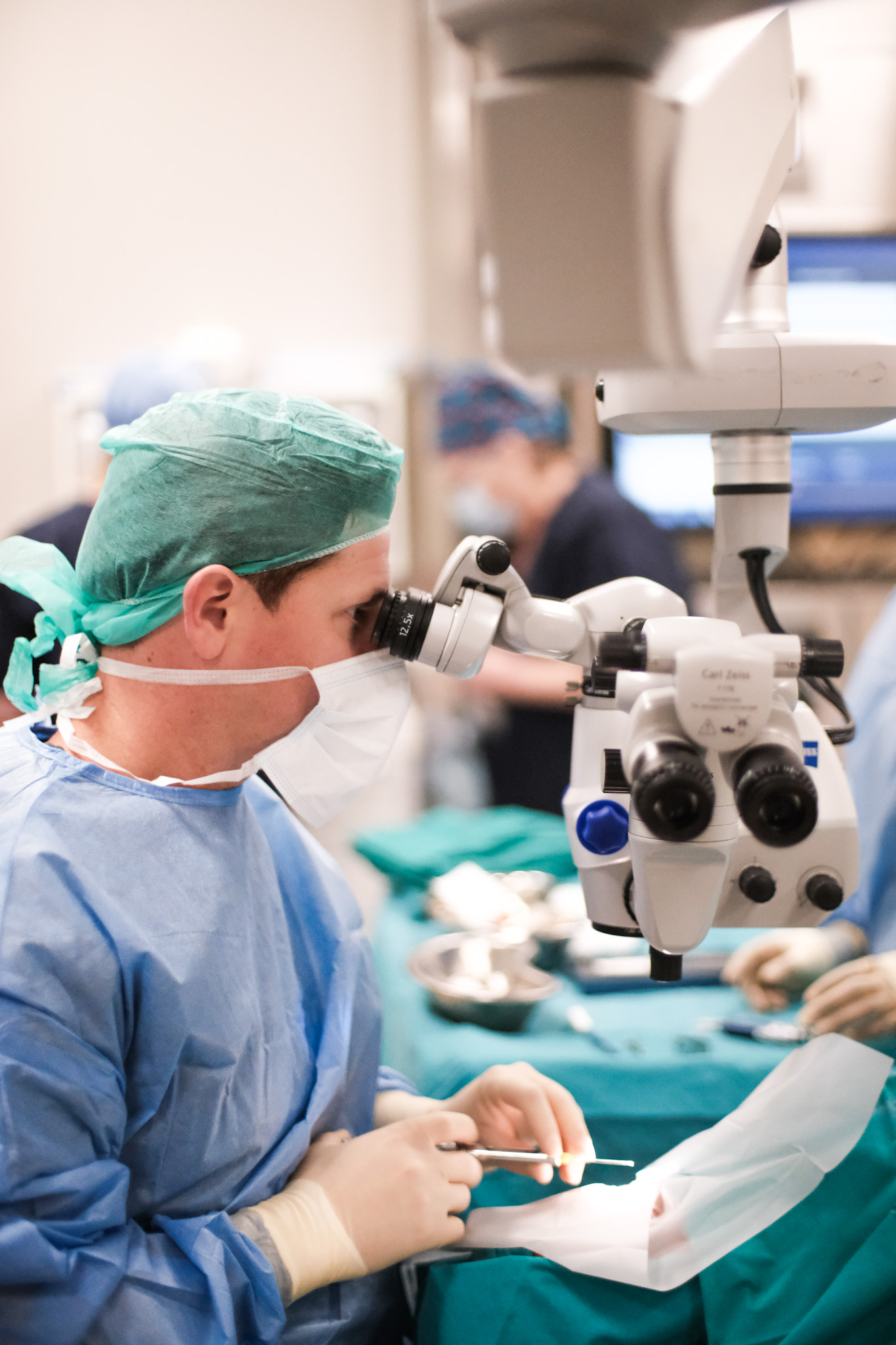
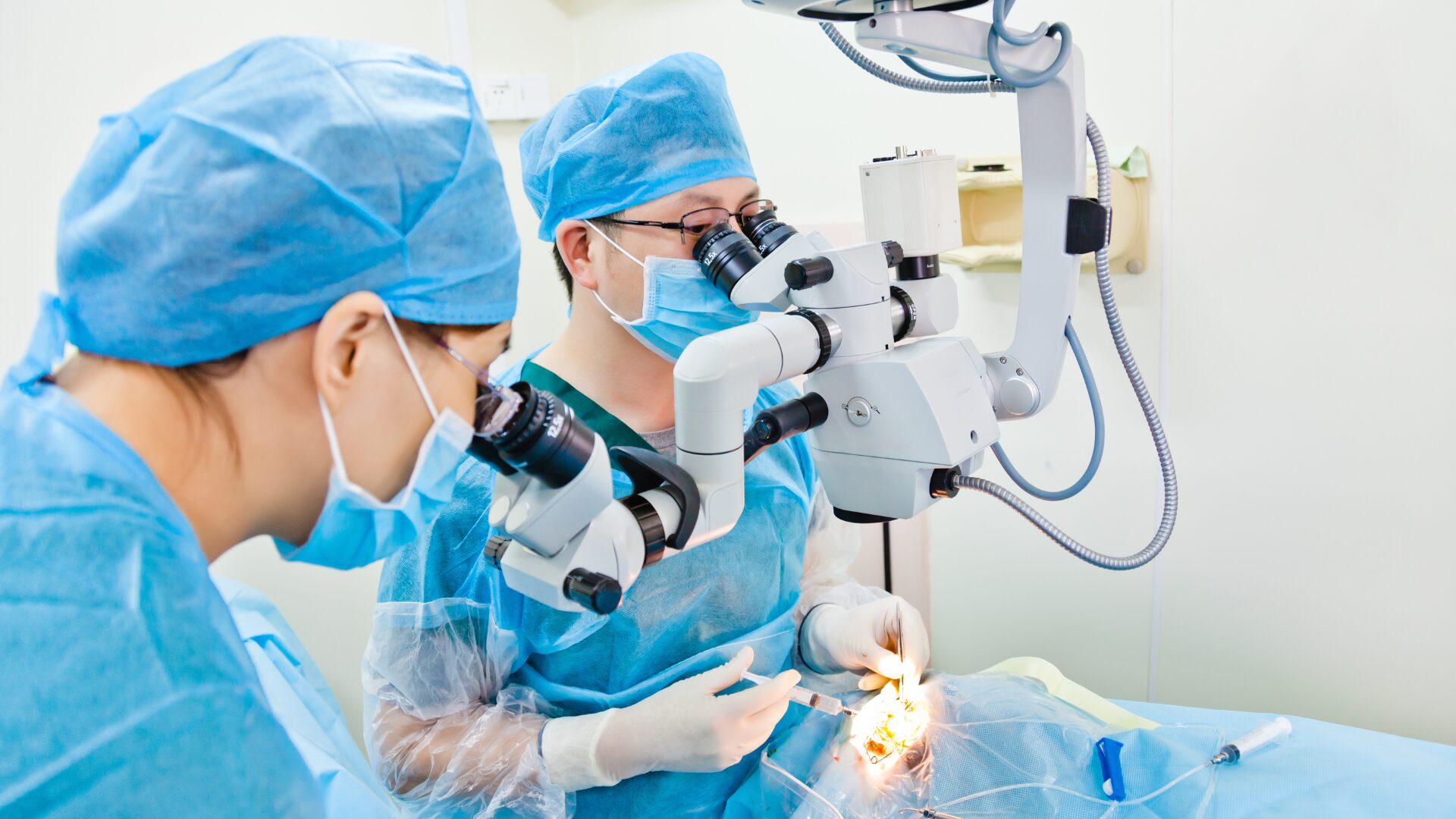
In more extreme cases, surgical excision might be warranted. Although this procedure is fairly simple, precision is necessary to minimize the potential for recurrence. In certain cases, for patients who have several eye issues at once, undergoing lens replacement surgery can be a good idea to enhance total visual clarity.
The important part is to treat the condition early and heed professional advice. Overlooking symptoms can cause complications that need more complicated treatments in the future.
Why Modern Eye Care Is More Critical Than Ever
Ophthalmology has come a long way today, with better treatment options being available when eye conditions arise. From pterygium management to correcting many vision issues, today’s modern procedures yield safer and more effective results.
Here’s why it matters to stay up to date on treatment options:
- Often, an early diagnosis meanslessinvasive procedures
2. It employs advanced technology that ensures greater accuracy and speedy recovery
Long-term Eye Health Can Be Further Improved With Custom Treatment Plans
Surgical options such as lens replacement surgery are gaining popularity among those seeking long-term vision correction. Although not directly therapeutic for pterygium, it could be used as an adjunct to improve visual quality, especially in patients with multiple eye pathologies.
Patient education is another key element. When patients have good knowledge about their status, they adhere to preventive efforts and get timely treatment. This decreases the overall load of eye conditions and enhances the quality of life.
Eye health and lifestyle: What remains of the data until October 2023
Your daily habits are more involved in eye health than you realize. Basic measures like wearing sunglasses that block UV light, making sure to stay hydrated, and cutting down on screen time can go a long way.
If you already have symptoms of pterygium, lifestyle changes can slow the progression of the condition. Regular eye check-ups are also necessary if you live in regions with heavy sunlight exposure.
Some people seeking vision correction treatment may find that lens replacement surgery is a long-term solution to their goals. It mainly refers to vision problems related to refraction errors or aging, but it shows how contemporary ocular care systems are working towards offering all-around solutions.
Keeping the eyes healthy is not just about treatment but also prevention, awareness, and making informed choices.
Conclusion
Your eyes are for life, and conditions such as pterygium underscore how valuable it can be to pay attention early on. This mild irritation can eventually affect your vision if it is not treated. By identifying symptoms early and obtaining expert care, you can avoid unnecessary issues.
Thanks to modern innovations like lens replacement surgery, solving your eye issues has never been more effective. But you can still have good eye health based on awareness and preventive care.
And if that discomfort or any change in your vision persists, don’t hesitate to seek professional advice. Taking a proactive approach today can help protect your eyesight for years to come, allowing you to live comfortably and enjoyably without conditions like pterygium getting in the way.
