
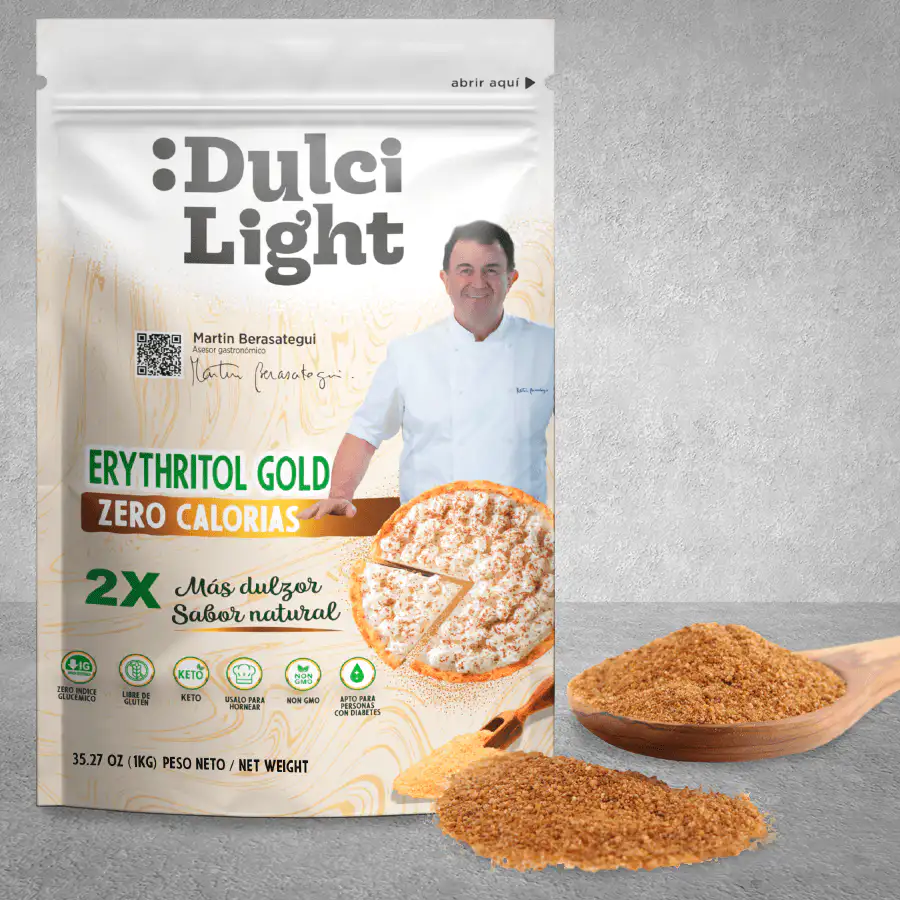
In today’s health conscious and innovation driven food industry, the demand for alternative sweetening solutions is rapidly rising. From beverages and bakery items to pharmaceutical syrups and nutritional supplements, manufacturers rely on consistent ingredients that enhance flavor while meeting dietary expectations. This is where the role of a dependable sweetener supplier becomes crucial.
Consumers are increasingly aware of sugar consumption and its health effects. As a result, food brands are turning toward natural, low calorie, and specialty sweeteners. A professional supplier does more than just provide ingredients. They support product development, ensure regulatory compliance, and help businesses maintain consistent taste profiles across batches.
Whether a company is producing energy drinks, protein bars, or diabetic friendly desserts, selecting the right partner for sweetening ingredients can significantly influence product quality and brand reputation.
Why Choosing the Right Sweetener Supplier Matters
A trusted sweetener supplier plays a central role in the supply chain of many industries. Food and beverage companies depend on suppliers for ingredients that meet strict safety standards while delivering reliable taste and performance.
Quality sweeteners must maintain stability during processing, storage, and distribution. For example, in the beverage industry, sweeteners must dissolve easily without altering color or texture. In baking, they must withstand high temperatures without losing sweetness intensity.
Here are key factors businesses should evaluate when selecting a supplier:
-
Consistent ingredient quality and certified food safety standards
A reliable supplier also provides technical support and documentation. This can include formulation advice, regulatory certificates, and guidance on ingredient compatibility.
Example:
A startup beverage company launching a low calorie iced tea might require stevia or erythritol blends. A knowledgeable supplier can recommend the correct ratio to reduce bitterness while maintaining a natural taste.
Pro Tip
Work with suppliers that offer sampling and formulation assistance. Testing sweeteners in small batches before full scale production can save both time and manufacturing costs.
How a Sweetener Supplier Supports Product Innovation
The food industry evolves rapidly as consumer preferences shift toward healthier and cleaner ingredient lists. A modern sweetener supplier helps brands stay competitive by offering a wide variety of solutions.
These may include natural sweeteners, sugar alcohols, plant based extracts, and specialty blends designed for specific product applications. Innovation in sweeteners allows manufacturers to reduce calories while maintaining flavor and texture.
Key Areas Where Sweeteners Are Used
Sweeteners are widely applied across several industries. Some of the most common examples include:
-
Beverages such as flavored water, soft drinks, and energy drinks
In bakery products, sweeteners help control browning and moisture retention. In pharmaceutical products like cough syrups, they improve palatability. Even sports nutrition powders rely on carefully balanced sweeteners to mask bitterness from active ingredients.
Example:
A protein supplement manufacturer may combine sucralose with natural flavoring to create a smooth chocolate taste without adding sugar. This allows them to market the product to fitness focused consumers who monitor calorie intake.
A professional supplier understands these functional roles and provides customized solutions for different manufacturing environments.
What to Look for in a Professional Sweetener Supplier
Finding the right partner requires more than comparing prices. The best suppliers operate with transparency, advanced sourcing networks, and strong quality control processes.
Here are a few qualities that distinguish a professional supplier:
-
Global sourcing capability with verified ingredient traceability
Reliable suppliers also stay updated with international food regulations. This ensures that ingredients comply with safety standards in different markets such as the United States, Europe, and Asia.
Another important factor is supply stability. Food manufacturers need consistent ingredient availability to avoid production interruptions. A well established supplier maintains strong logistics and inventory systems to meet these demands.
Pro Tip
Ask suppliers about their quality certifications such as ISO, HACCP, or FSSC. These standards indicate that the company follows strict safety and manufacturing protocols.
Conclusion
As consumer demand for healthier and more innovative food products grows, the importance of a reliable sweetener supplier continues to increase. Manufacturers depend on suppliers not only for ingredients but also for expertise, consistency, and technical support.
From developing low calorie beverages to enhancing the flavor of nutritional supplements, sweeteners play a critical role in product success. Businesses that partner with experienced suppliers gain access to high quality ingredients, improved formulation guidance, and reliable supply chains.
In a competitive marketplace, choosing the right supplier can make the difference between an average product and a standout brand that consumers trust.
