
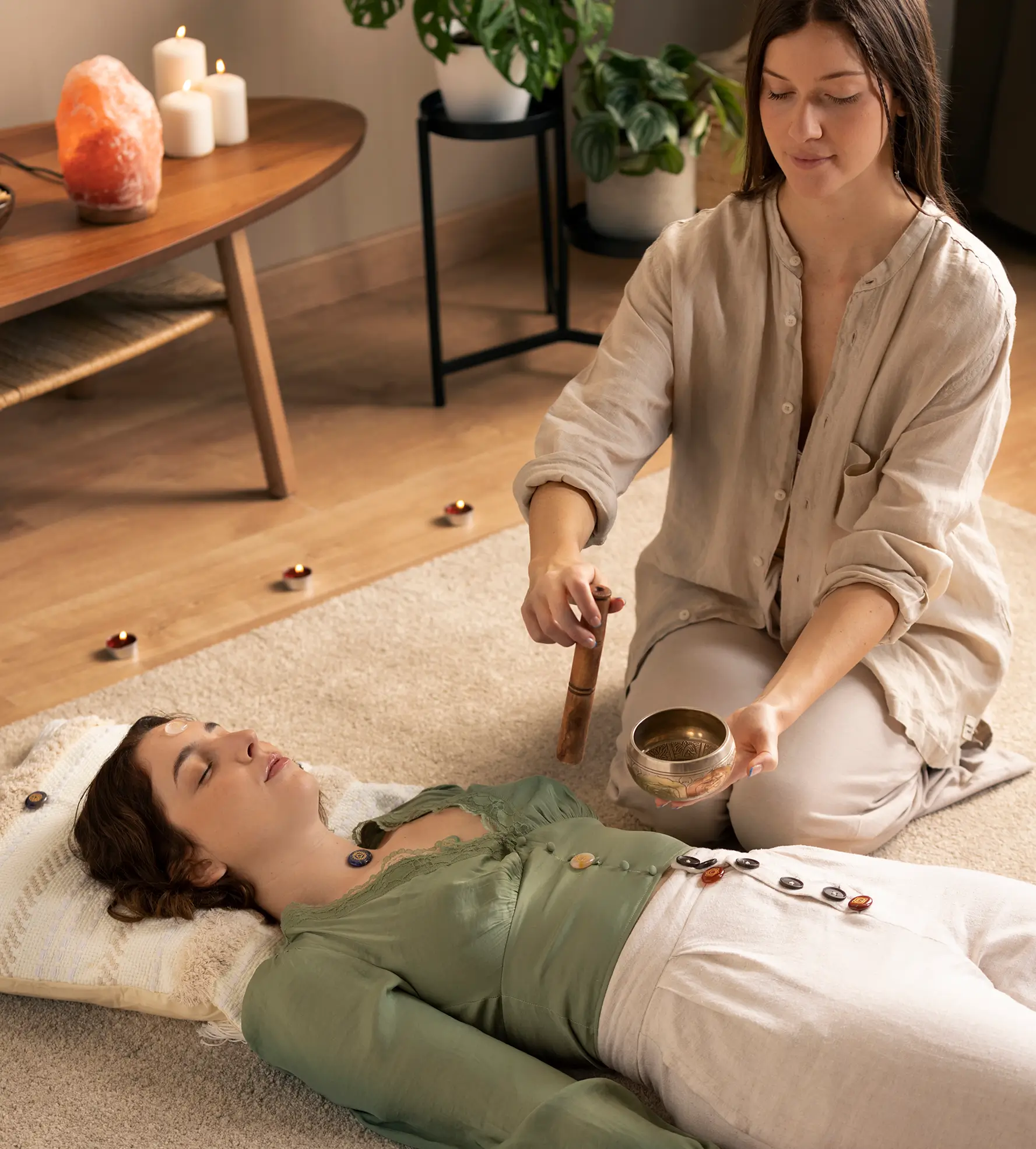
Modern healthcare is evolving as more people look for safe, effective, and natural ways to manage pain and improve mobility. Physical Medicine focuses on restoring function, reducing discomfort, and supporting the body’s natural ability to heal without relying solely on drugs or surgery. This approach blends hands-on therapies, movement-based treatments, and holistic principles to address the root cause of pain rather than just masking symptoms. For individuals dealing with chronic pain, injuries, or mobility limitations, physical medicine offers a practical and patient-centered solution.
What Is Physical Medicine?
Physical medicine is a branch of healthcare that emphasizes the diagnosis, treatment, and prevention of physical impairments. Instead of focusing only on disease, it prioritizes functional improvement and quality of life. Treatments are typically non-invasive and tailored to the patient’s specific condition, lifestyle, and goals. Common concerns addressed include back pain, joint stiffness, muscle strain, nerve issues, and postural problems. By combining therapeutic techniques with lifestyle guidance, physical medicine aims to restore balance and long-term wellness.
How Physical Medicine Supports Natural Healing
One of the key strengths of physical medicine is its ability to work with the body rather than against it. The treatments encourage circulation, improve flexibility, and reduce inflammation naturally. Manual therapies help release muscle tension, while corrective exercises retrain movement patterns that may be causing ongoing pain. Over time, this approach can reduce dependency on pain medications and promote sustainable healing. Patients often experience improved mobility, better posture, and increased confidence in daily activities.
Common Conditions Treated
Physical medicine is effective for a wide range of conditions. These include chronic neck and back pain, sports injuries, repetitive strain injuries, arthritis-related stiffness, headaches caused by muscle tension, and recovery after accidents. It is also beneficial for individuals experiencing limited mobility due to aging or sedentary lifestyles. Because treatments are customized, they can be adapted for both acute injuries and long-term conditions, making physical medicine suitable for patients of all ages.
Techniques Used in Physical Medicine
Physical medicine uses a combination of hands-on therapies and guided movement. Techniques may include therapeutic manipulation, soft tissue therapy, stretching, and corrective exercises. These methods are designed to restore proper alignment, improve joint function, and strengthen supporting muscles. In many cases, treatment plans also include education on posture, ergonomics, and daily habits to prevent future injuries. This comprehensive approach ensures that healing continues beyond the treatment room.
Integrating Physical Medicine with Holistic Care
When combined with naturopathic principles, physical medicine becomes even more effective. Nutrition guidance, stress management, and lifestyle counseling often complement physical treatments. Visiting a natural medicine clinic allows patients to benefit from an integrative approach that addresses both physical symptoms and underlying health imbalances. This collaboration supports overall wellness and helps patients achieve lasting results rather than temporary relief.
Benefits for Pain Management
Pain management is one of the most common reasons people seek physical medicine. Unlike approaches that rely heavily on medication, physical medicine targets the source of pain. By correcting movement dysfunctions and improving muscle balance, patients often experience reduced pain intensity and frequency. Many individuals report better sleep, improved mood, and enhanced energy levels as their pain decreases and mobility improves.
Who Can Benefit from Physical Medicine?

Physical medicine is suitable for individuals seeking a natural and proactive approach to health. It is ideal for those recovering from injuries, managing chronic pain, or wanting to prevent future physical issues. Athletes, office workers, seniors, and active individuals can all benefit from personalized treatment plans. Because the focus is on function and prevention, physical medicine is also valuable for maintaining long-term physical health.
Choosing the Right Care Provider
Selecting a qualified provider is essential for effective results. A licensed practitioner with experience in naturopathic and physical medicine can assess your condition thoroughly and design a customized plan. Look for a provider who takes time to understand your health history, listens to your concerns, and emphasizes patient education. This partnership plays a crucial role in achieving sustainable healing and improved quality of life.
Conclusion
Physical medicine offers a natural, effective pathway to healing by focusing on movement, function, and whole-body wellness. Through non-invasive therapies and personalized care, it helps reduce pain, restore mobility, and support long-term health. When integrated with holistic healthcare principles, physical medicine empowers individuals to take control of their well-being and enjoy a more active, pain-free life.
Frequently Asked Questions
What makes physical medicine different from conventional pain treatment?
Physical medicine addresses the root cause of pain by improving function and movement, rather than relying primarily on medication to mask symptoms.
Is physical medicine suitable for chronic conditions?
Yes, it is especially beneficial for chronic conditions because it focuses on long-term improvement, prevention, and sustainable pain management.
How long does it take to see results?
Results vary depending on the condition and individual, but many patients notice improvements in mobility and pain levels within a few sessions.
